
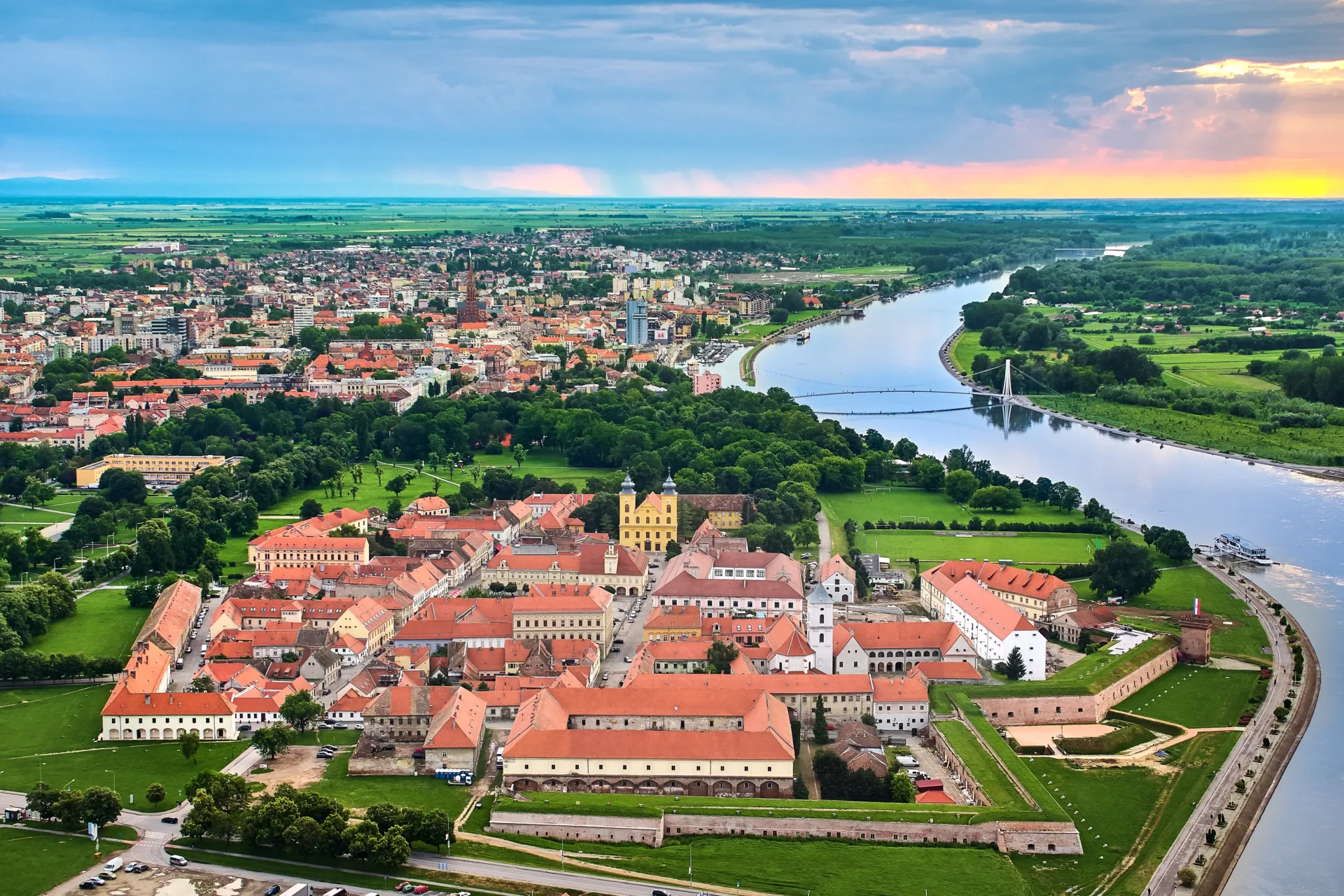
When the 71st World Ploughing Championship opens its gates in September 2026, it will do so in a city unlike any other in the region. Osijek — the capital of Slavonia and the fourth largest city in Croatia — sits on the southern bank of the Drava River, where baroque architecture, lively café culture, and a proud agricultural tradition come together in a way that feels entirely its own.
A City Shaped by History
Osijek’s story stretches back more than two thousand years. The Romans established a settlement here — Mursa — that grew into one of the most important towns of the Pannonian plain. In the centuries that followed, the city passed through Byzantine, Hungarian, and then Ottoman rule, each era leaving its mark on the landscape and the culture of its people.
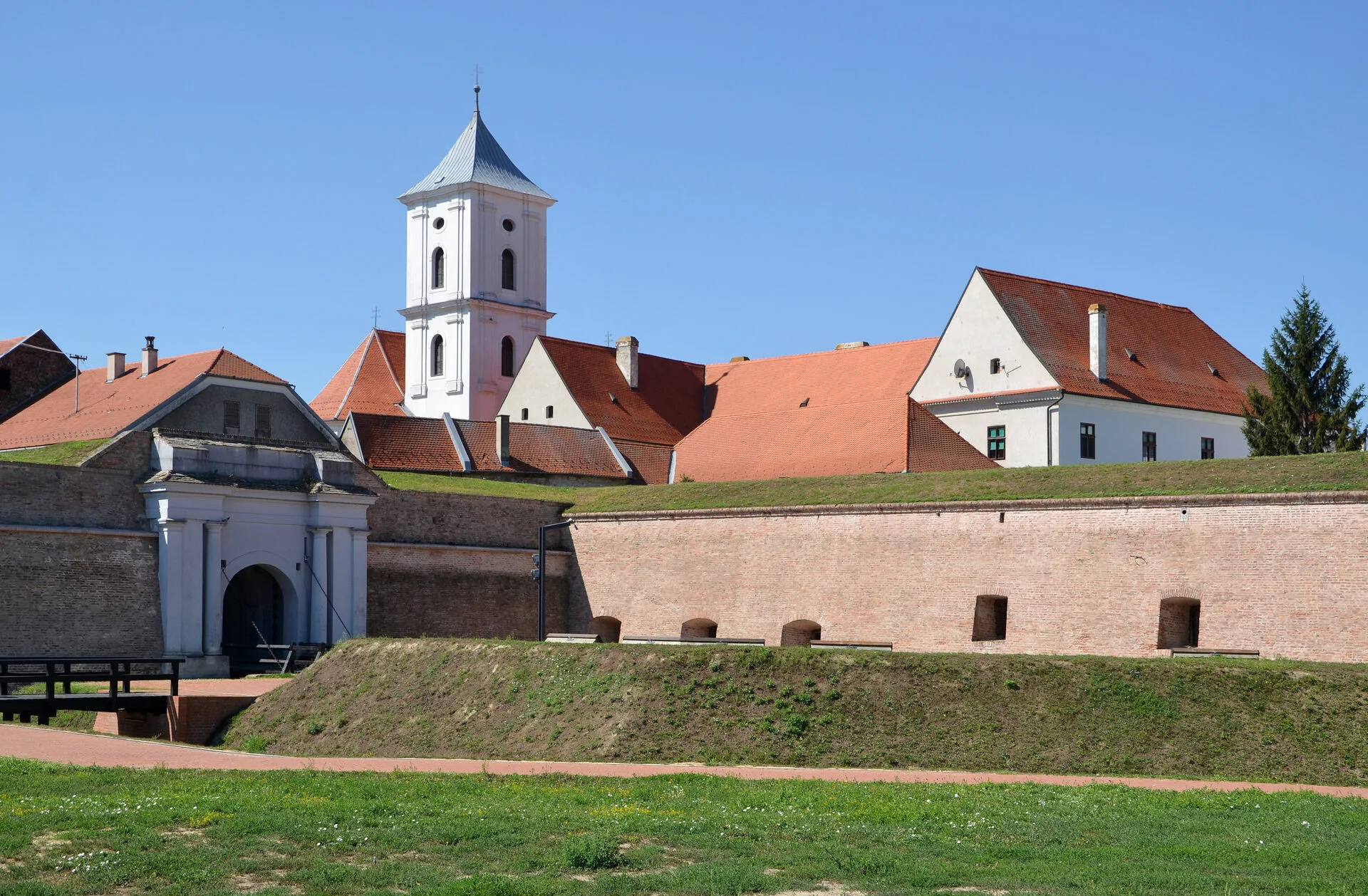
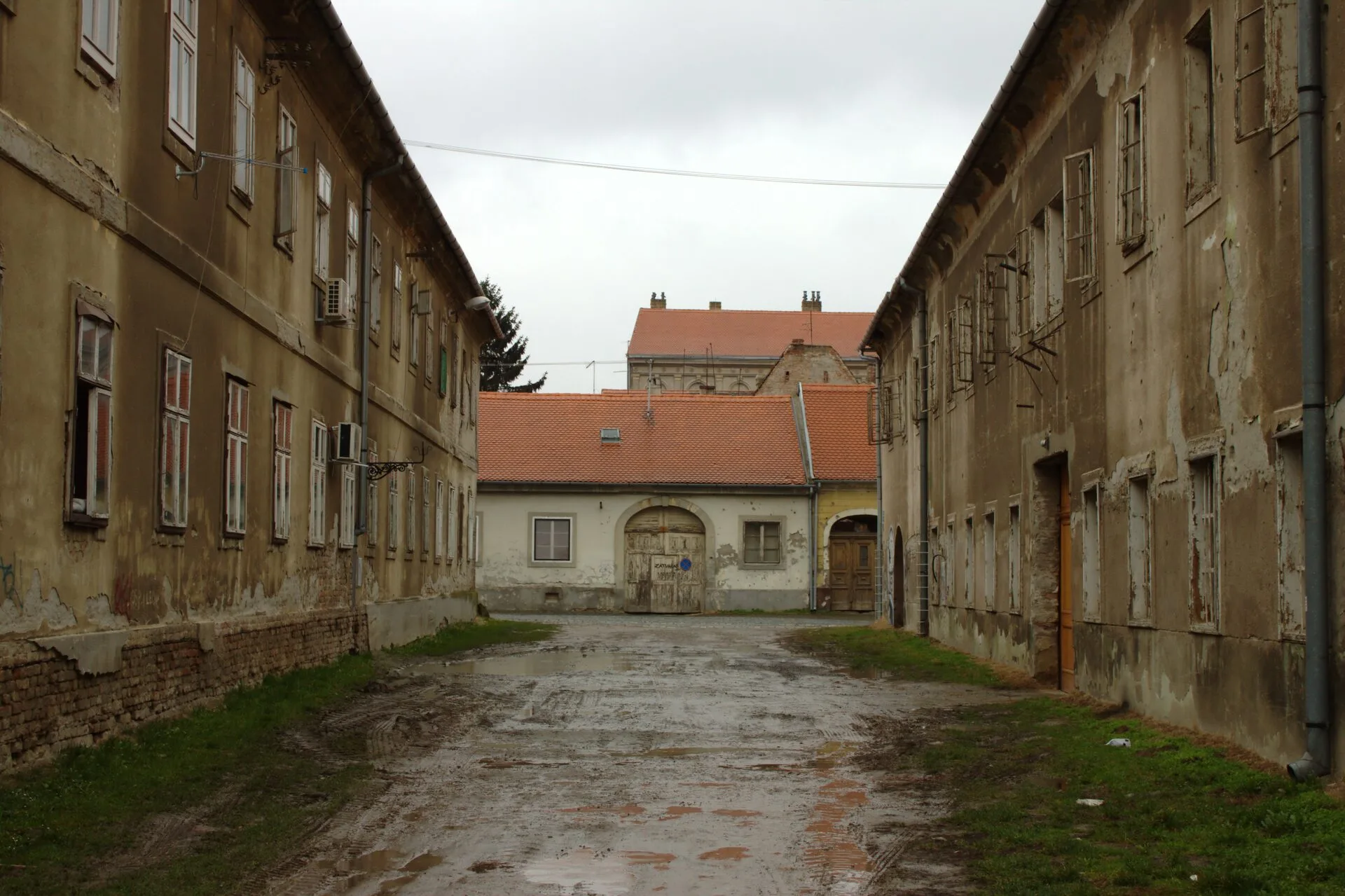
It was the Habsburgs, however, who gave Osijek the face that visitors will recognise today. After recapturing the city from Ottoman control at the end of the 17th century, the imperial authorities commissioned a monumental baroque fortress — Tvrđa — that would define the city’s skyline for the next three hundred years. With its symmetrical squares, sweeping colonnades, and grand military barracks, Tvrđa is one of the best-preserved baroque ensembles in Central Europe, and it remains the beating heart of Osijek’s cultural life.
Tvrđa — The Living Citadel
Step through the old city gates and time seems to slow down. The cobblestone streets of Tvrđa are lined with ochre-yellow facades and shaded by centuries-old chestnut trees. The main square — Trg Svetog Trojstva (Holy Trinity Square) — is dominated by the Plague Column, erected in 1729 in gratitude for the city’s survival of a devastating epidemic. Today, the same square buzzes with outdoor cafés, students from the nearby university, and visitors taking their first photographs of a city that surprises nearly everyone who arrives.
The fortress walls shelter museums, art galleries, a university faculty, and the oldest continuously operating pharmacy in Croatia. At night, the squares and courtyards fill with music and laughter — Tvrđa is as lively as it is historical.
Life on the Drava
Away from the cobblestones of Tvrđa, the social life of Osijek flows along the Drava River. The city’s beloved promenade stretches for kilometres along the southern bank, connecting parks, pedestrian bridges, and the famous Kopika waterfront — a stretch of bars, terraces, and sandy riverbanks that fills with people from the first warm days of spring until well into autumn. For WPC 2026 visitors arriving in early September, the Drava promenade will be at its golden best: warm evenings, long sunsets, and the easy generosity that Slavonians are famous for.
Across the river, the city’s European Avenue (Europska avenija) offers a different kind of beauty — a grand boulevard lined with Secession-era villas and elegant townhouses, many of them now housing galleries, restaurants, and boutique hotels. The avenue connects Tvrđa with Osijek’s modern centre and gives the city a sense of spacious, unhurried ambition.
Food, Wine, and Slavonian Hospitality
Any introduction to Osijek would be incomplete without its food. Slavonian cuisine is hearty, generous, and deeply rooted in the agricultural landscape that surrounds it. The local speciality is kulen — a slow-cured, paprika-seasoned sausage that carries EU protected designation of origin status and is regarded by its makers with something close to reverence. Alongside it, you will find fiš paprikaš, a spicy freshwater fish stew traditionally cooked in large cauldrons over an open fire, and čobanac, a slow-cooked shepherd’s stew that has sustained generations of field workers.
The wines of the Baranja region — grown on sun-facing slopes just north of the city — are a revelation for many visitors. Graševina, the signature white grape of the region, produces wines of real character: dry and mineral, or lush and aromatic, depending on the producer and the vintage. The hillside wine cellars of Zmajevac and the surrounding villages, carved into loess escarpments centuries ago, welcome visitors for tastings throughout the season.
A City Ready to Welcome the World
Osijek is well connected by road and rail, with direct routes to Zagreb, Budapest, and Sarajevo. Osijek Airport offers seasonal connections to several European cities, and the new motorway has made the city significantly more accessible from the west. For WPC 2026 participants and visitors, the city offers a wide range of accommodation — from international-standard hotels on the Drava to family-run guesthouses in the surrounding countryside.
The university campus at Josip Juraj Strossmayer University of Osijek — which will serve as the competition headquarters during the championship — sits just a few minutes from the city centre, ensuring that everything WPC 2026 has to offer is within easy reach.
We look forward to welcoming you to Osijek in September 2026.