
About Osijek & Baranja
Osijek-Baranja County
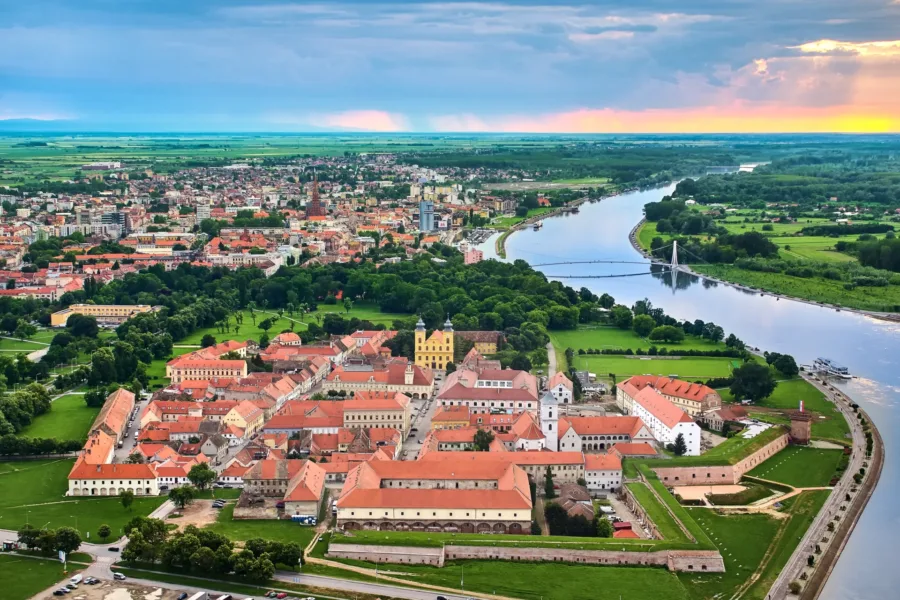
Osijek-Baranja County is the largest county in eastern Croatia, situated at the confluence of the Drava and Danube rivers. It is the agricultural heartland of the nation, with vast fertile plains, rich loamy soils, and a centuries-old tradition of farming that defines the identity of the region.
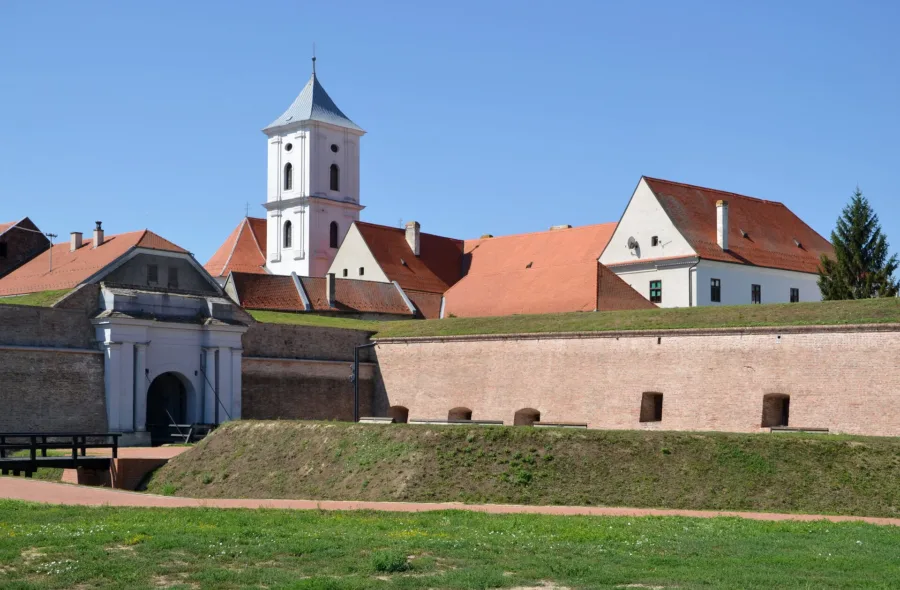
The county seat, Osijek, is the fourth largest city in Croatia with approximately 80,000 inhabitants. Founded in Roman times and shaped by Ottoman and Habsburg influences, Osijek is a vibrant city where baroque heritage meets a lively contemporary culture. The city’s iconic Tvrda (Citadel) is one of the best-preserved baroque fortifications in Central Europe.
Baranja, the northernmost part of the county, is a triangle of land between the Drava and Danube rivers, renowned for its wine cellars, nature parks, and distinctive gastronomy. The region’s cultural identity is deeply intertwined with the land — from wheat fields and vineyards to the rich wetlands of Kopački Rit.
Region at a Glance
- Location: Eastern Croatia
- County Seat: Osijek
- Population: ~260,000
- Area: 4,155 km²
- Climate: Continental
- Key Sector: Agriculture
Rich Agricultural Heritage
Where tradition meets modern farming on some of Europe’s most fertile soil
Fertile Soils
The competition site features rich loamy soil — 40% sand, 40% silt, and 20% clay — developed on alluvial and loess deposits. These soils offer excellent structure and water-holding capacity, ideal for ploughing.
Major Crops
The region produces wheat, maize, sunflower, soybean, rapeseed, and sugar beet on a large scale. Slavonia and Baranja together account for a significant share of Croatia’s total agricultural output.
Wine & Gastronomy
The Baranja wine region is famous for Graševina and other varieties grown in hillside vineyards. Local specialties include kulen (spicy cured sausage), fiš paprikaš (fish stew), and čobanac (shepherd’s stew).
Local Attractions
Discover what makes Osijek-Baranja County a unique destination
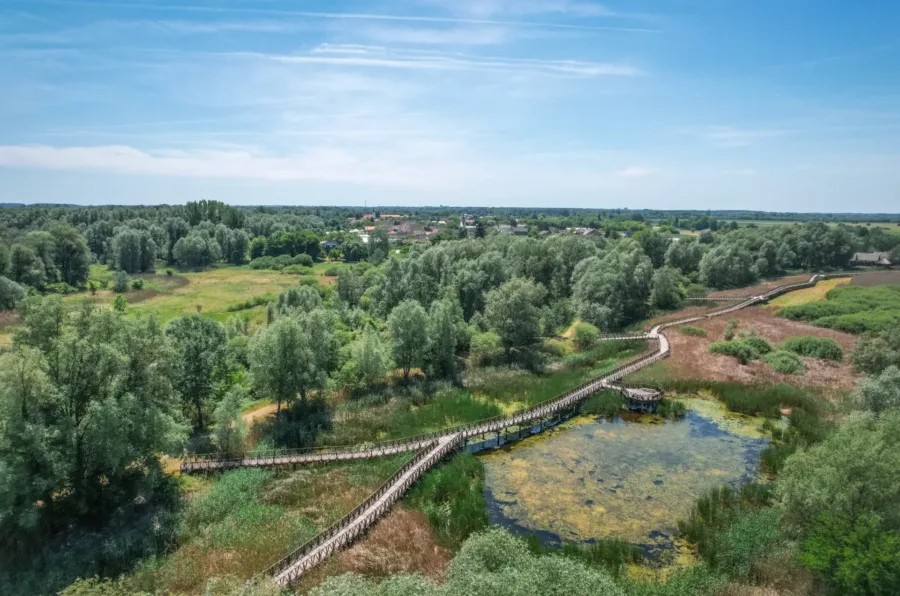
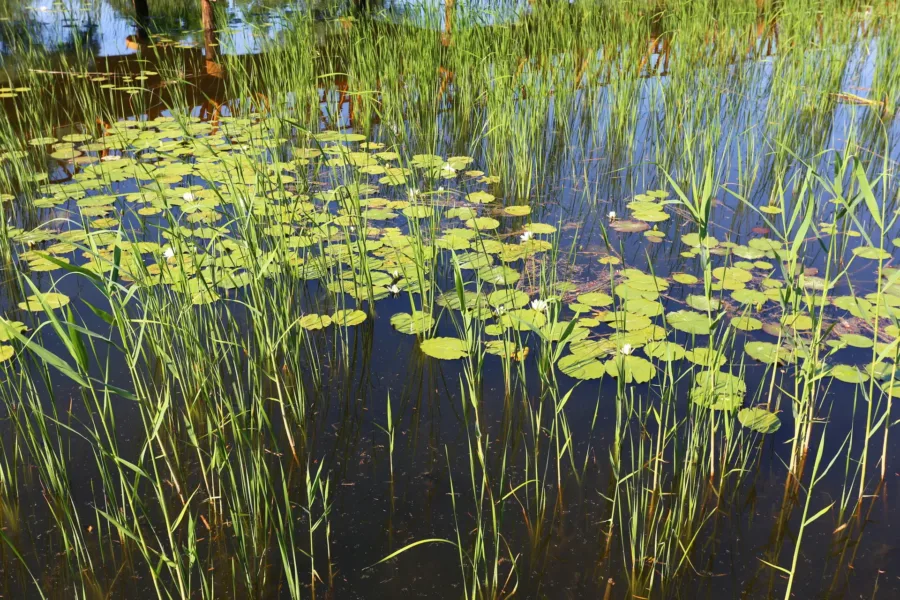
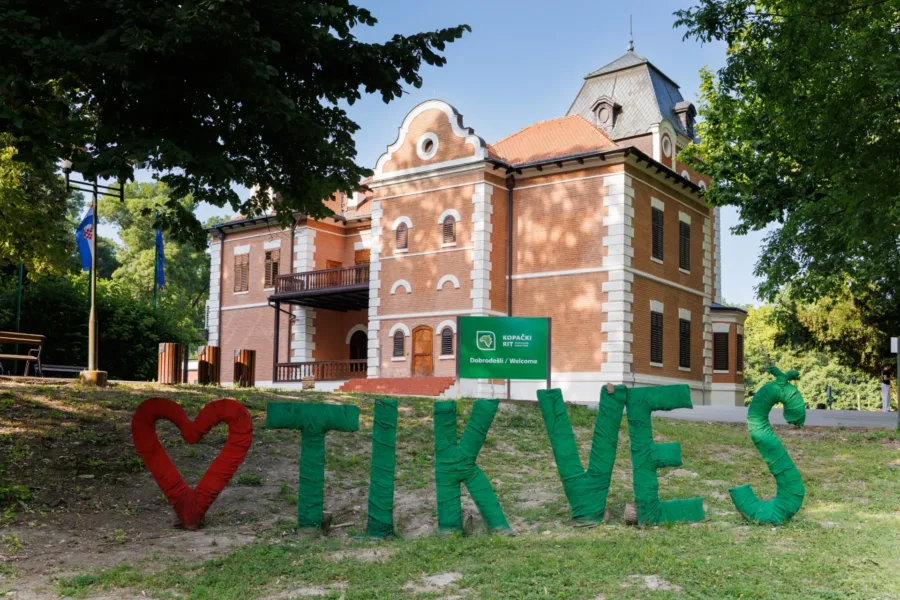
One of the best-preserved floodplains in Europe, situated at the confluence of the Drava and Danube. A UNESCO-protected wetland home to over 290 bird species, including the white-tailed eagle, and abundant deer populations. A paradise for nature lovers and birdwatchers.
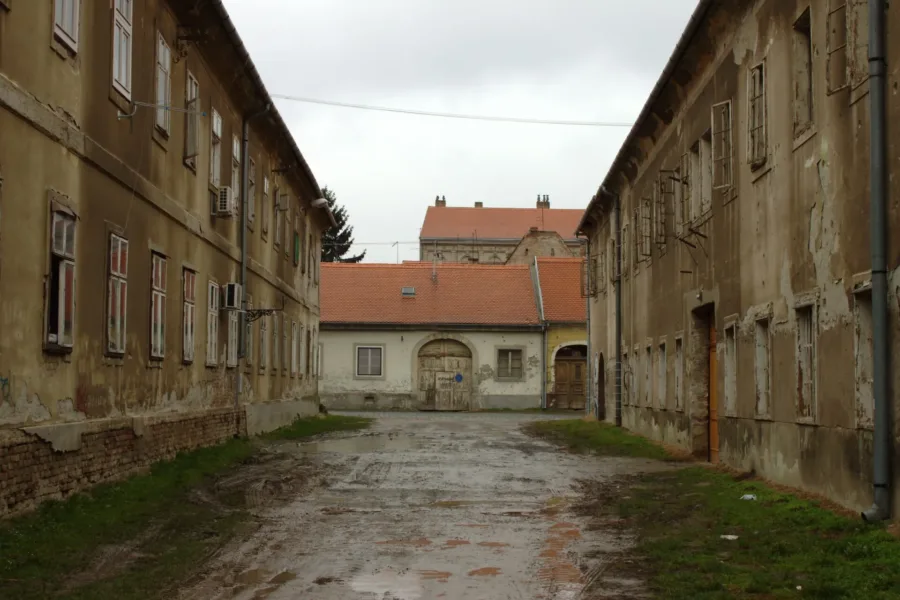
The baroque fortress quarter of Osijek, built by the Habsburgs in the early 18th century. With its grand military architecture, cobblestone streets, and lively cafes, Tvrda is the cultural and historical heart of the city and a popular gathering place.
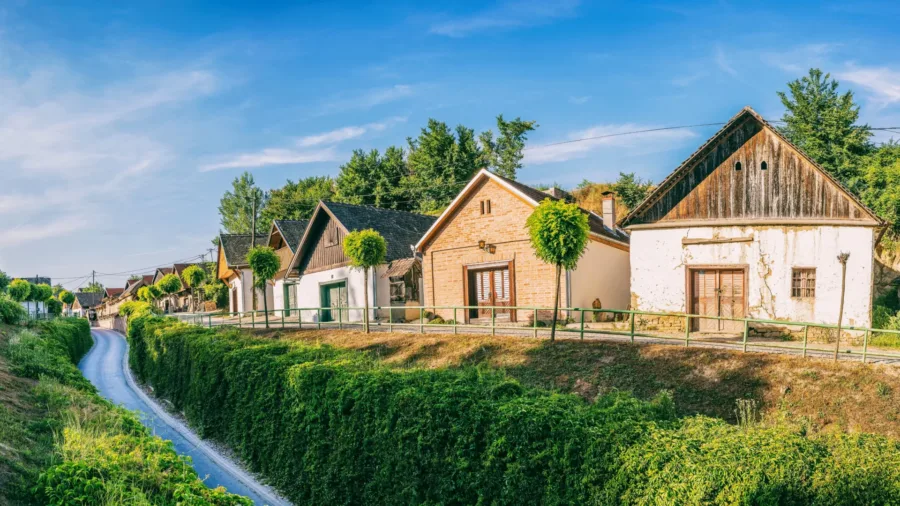
The hillside wine cellars (gatori) of Zmajevac and the surrounding villages are carved into loess slopes and form the famous surduk streets. These centuries-old cellars produce some of Croatia’s finest white wines, particularly Graševina, and welcome visitors for tastings.
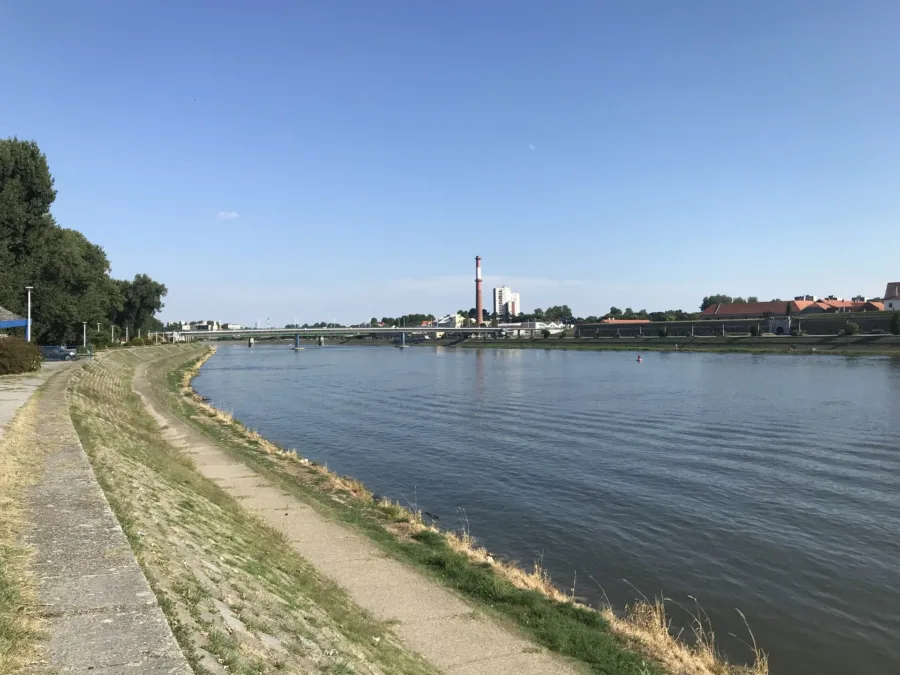
Osijek’s beloved river promenade stretches along the Drava, connecting parks, pedestrian bridges, and the famous Kopika beach bars. It is the social heart of the city — perfect for walking, cycling, or simply enjoying the sunset over the river.
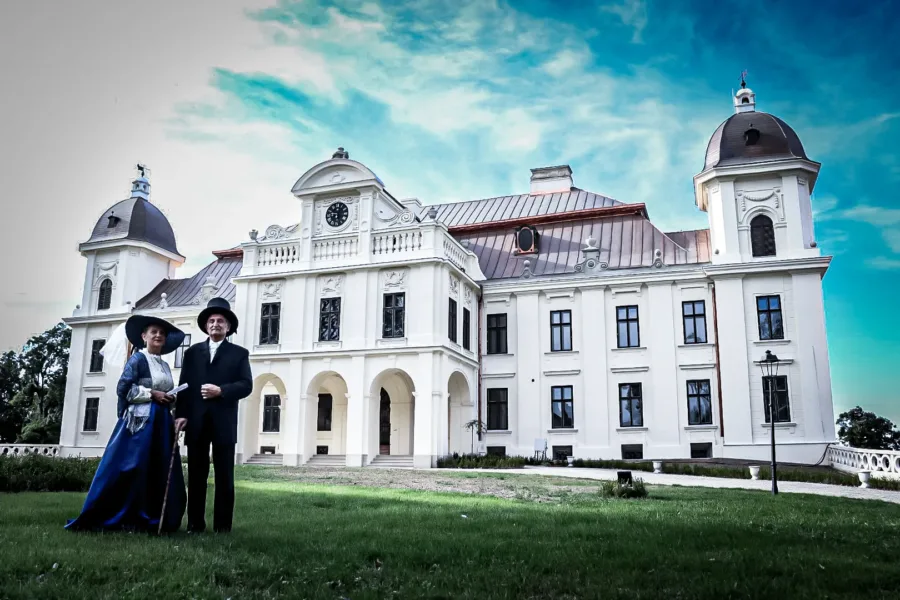
A historic castle complex surrounded by a forest park, dating back to the 17th century. Originally a Habsburg hunting estate, it has been reconstructed into a centre for education and presentations, set in a beautifully preserved natural landscape.

A dedicated centre for the authentic Baranja kulen — a protected cured meat delicacy. Visitors can learn about traditional production methods, from livestock selection to seasoning and maturation, and enjoy tastings of this iconic Slavonian specialty.
Explore the Region
WPC 2026 visitors will have the opportunity to explore Slavonia and Baranja through organised tours and excursions covering nature parks, historic towns, wineries, organic farms, and cultural landmarks.