
About Croatia
Welcome to Croatia
Croatia is a Central European and Mediterranean country situated at the crossroads of the Pannonian Plain, the Dinaric Alps, and the Adriatic Sea. With a population of approximately 3.8 million, it is a member of the European Union and the Eurozone, using the Euro as its official currency.
Known worldwide for its stunning Adriatic coastline, historic cities, and natural parks, Croatia also possesses a rich agricultural interior. The eastern regions of Slavonia and Baranja — where the 71st World Ploughing Championship will be held — are characterised by vast, fertile plains, a continental climate, and a deep-rooted farming tradition.
Croatia offers visitors an exceptional blend of Mediterranean charm, Central European culture, and untouched nature. From the walled city of Dubrovnik to the waterfalls of Plitvice Lakes National Park, from Istrian truffles to Slavonian kulen, every region has its own distinctive character.
Croatia’s location in Central and Southeast Europe
Croatia Quick Facts
- Capital: Zagreb
- Population: ~3.8 million
- Currency: Euro (EUR)
- Language: Croatian
- Climate: Continental (east) / Mediterranean (coast)
- Electricity: 220V, 50Hz, EU socket
- Driving: Right-hand side
Geography & Regions
Croatia’s diverse landscape spans from the Pannonian lowlands to the Adriatic coast
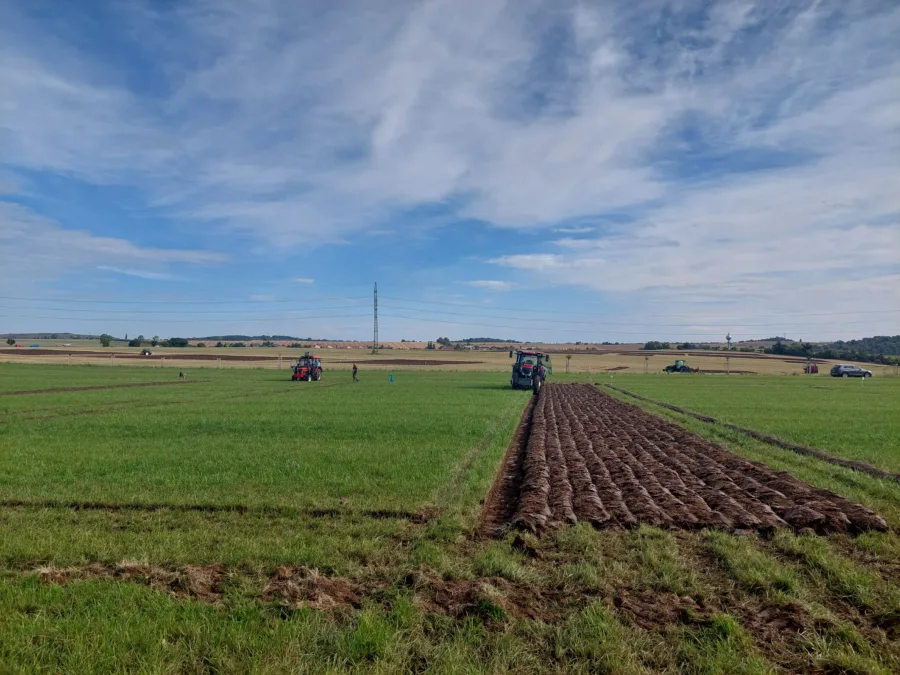
Slavonia & Baranja
The eastern plains of Croatia — the breadbasket of the nation. Vast farmlands, oak forests, the Danube and Drava rivers, exceptional gastronomy, and the host region of WPC 2026.
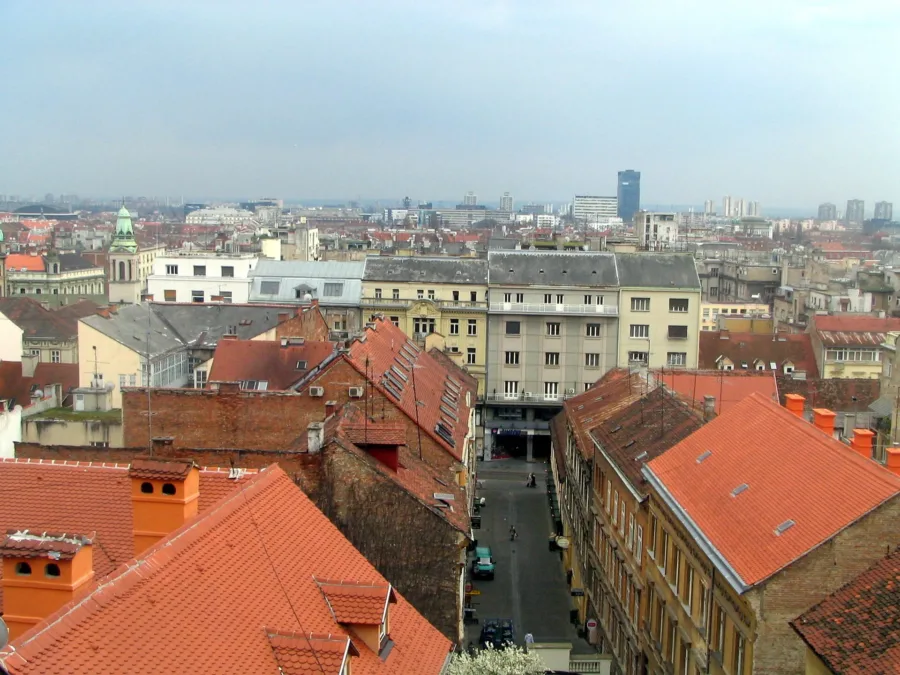
Central Croatia & Zagreb
The capital region with Zagreb at its heart. A vibrant city of museums, baroque architecture, bustling markets, and green parks, surrounded by rolling hills and medieval castles.
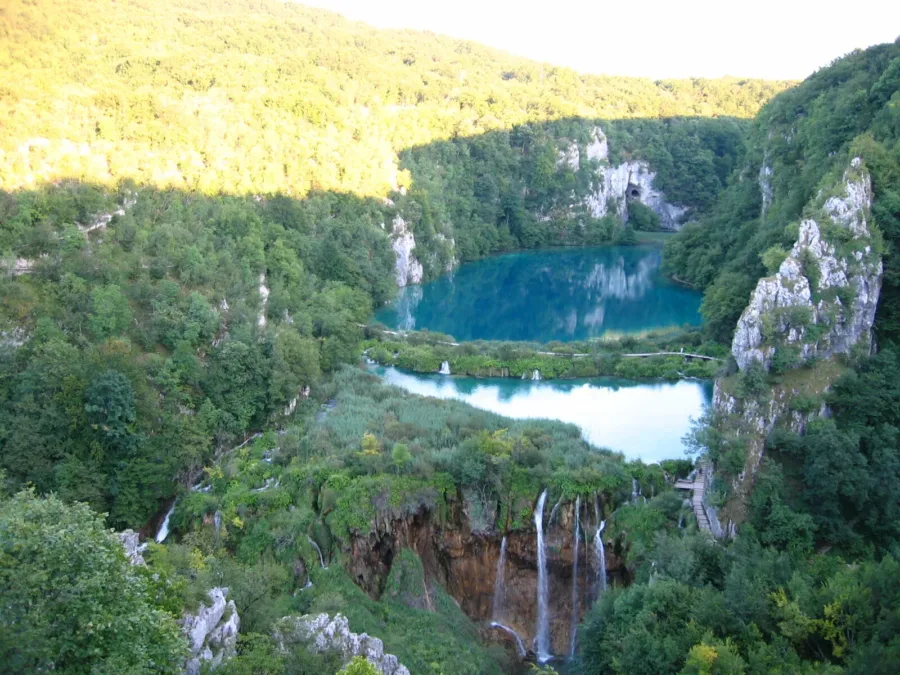
Lika & Gorski Kotar
A mountainous interior region known for pristine forests and the famous Plitvice Lakes National Park, a UNESCO World Heritage Site of cascading turquoise lakes and waterfalls.
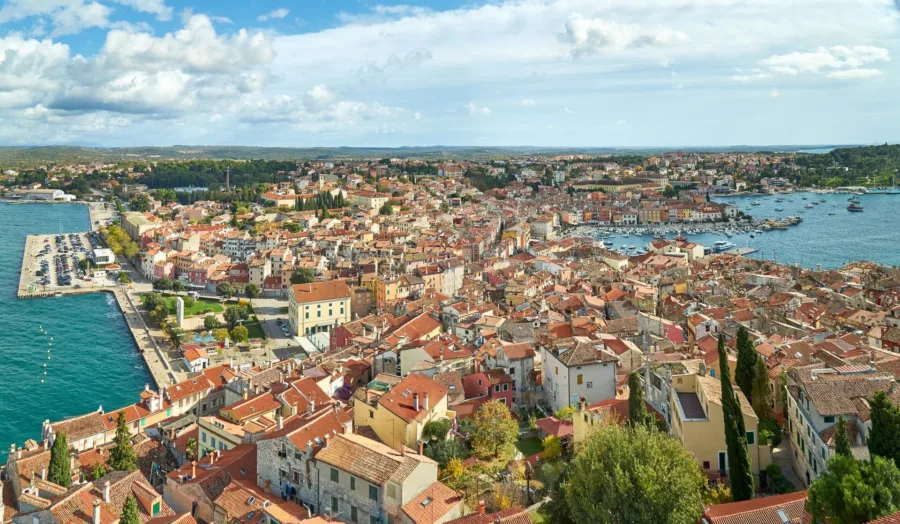
Istria
The heart-shaped peninsula in the northwest, celebrated for truffles, olive oil, hilltop towns, Roman amphitheatres, and a unique blend of Croatian, Italian, and Venetian cultures.

Kvarner & Islands
The gateway between continental and coastal Croatia, with elegant Opatija, the islands of Krk, Cres, and Rab, crystal-clear waters, and rich maritime traditions.
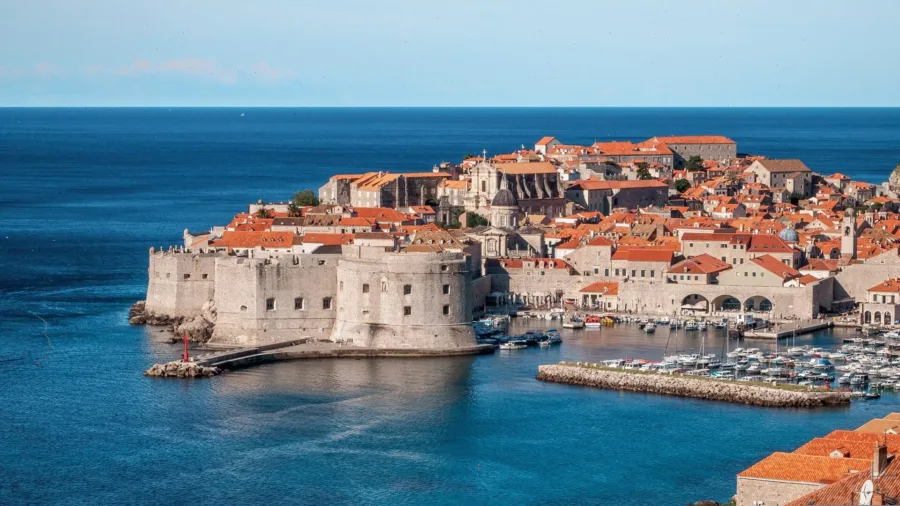
Dalmatia
The iconic Adriatic coast stretching from Zadar to Dubrovnik. Ancient walled cities, over a thousand islands, Diocletian’s Palace in Split, and the pearl of the Adriatic — Dubrovnik.
Visitor Information
Practical details for travellers coming to Croatia
Croatia is well connected by air, road, and rail. The nearest airports to Osijek are Zagreb International Airport (278 km) and Osijek Airport. Airport shuttle service from Zagreb will be arranged for WPC 2026 participants.
Eastern Croatia has a continental climate. In late August and early September, expect warm to hot weather with temperatures ranging from 20–35°C. Occasional rain is possible, so bring a raincoat and sturdy boots for the competition field.
Croatia is part of the Schengen Area. EU/EEA citizens can enter freely with a valid ID. Visitors from other countries should check visa requirements through the Croatian Ministry of Foreign Affairs.
Croatia uses the Euro (EUR). Visa and MasterCard are accepted in 99% of shops and restaurants. ATMs and exchange offices are widely available throughout the country. Tipping is optional (5–10%).
Explore More
Discover the host region, meet the organizers, and plan your visit